Baker’s Math: How We Scale a Recipe Without the Panic
The simple trick professional bakers use to double, triple or halve any bread recipe, with a copy-and-paste cheat sheet.
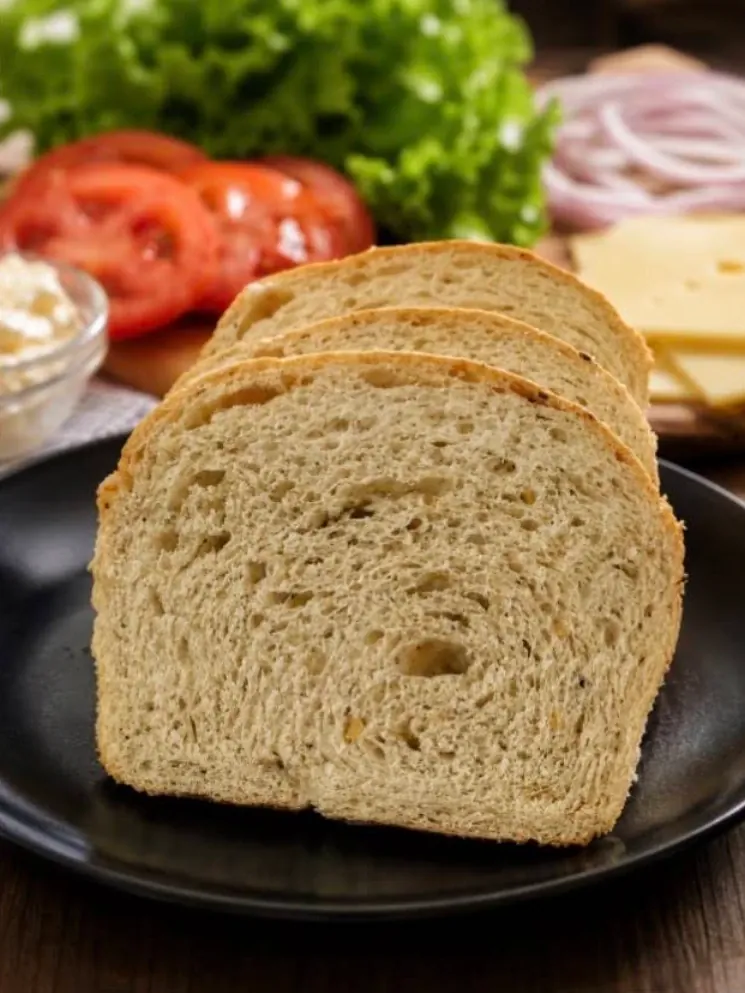
When a big order comes in, like a stack of sandwich loaves or a mountain of rolls for a holiday table, we don’t guess. We use baker’s math, and once it clicks you’ll never scale a recipe the old “times-two-and-hope” way again.
The one rule
Every ingredient is written as a percentage of the flour weight. Flour is always 100%. If a dough has 65% water, that means for every 100 grams of flour there are 65 grams of water.
That’s it. To make any amount, decide how much flour you want and multiply:
ingredient weight = flour weight × (baker's % ÷ 100)A real example
Here’s a simple everyday bread at two sizes. Same percentages, different batch:
Ingredient      Baker's %   500 g flour   750 g flour
Bread flour       100%        500 g         750 g
Water              65%        325 g         488 g
Salt                2%         10 g          15 g
Instant yeast       1%          5 g         7.5 g
Notice nothing else changed: no fractions of an egg, no “is that a heaping cup?” Just multiply and weigh.
Why weigh instead of using cups?
- A “cup” of flour can weigh anywhere from about 120 to 150 grams depending on how you scoop. That’s a big swing.
- Grams scale perfectly. Cups and teaspoons get messy fast.
- Fewer dishes. Set the bowl on the scale, hit tare and pour.
A basic kitchen scale is the best $20 you’ll ever spend on baking. We promise.
Life lately
Fall is officially here, which in bakery terms means pumpkin everything, apple everything, and orders that start stacking up for the holidays. We love it. If you’re planning a gathering, now’s a great time to get on the calendar.